
Accounts Payable Meaning, Examples & Process: BOLAUAE1

That means that they will be taken from your account whenever you pay a debt. To take things a step further, accounts payable are current liabilities – this is the case because the company expects to pay them in less than 12 months. Getting your accounts payable system in shape might feel overwhelming, but the right tools can make it a breeze. Take a good look what does accounts payable mean at your current AP process and think about where you can tighten things up. This software lets you scan and post invoices directly into your accounting system, and even pay them electronically.
Journal Entries For Recording Invoice
The AP team may handle the payment function, but the funds used for payments come from the business itself. The staff member who initiates the payments may differ based on the specific makeup of the business. The CEO or an independent AP professional may pay accounts payable for smaller businesses. Larger organizations often have several people handling the payment process. Automation Suspense Account ensures that data is accurately captured and processed, minimizing mistakes that can occur with manual handling.
- As businesses scale, HighRadius’ tools like accounts payable automation software can help businesses stay on top of invoices and due dates while reducing administrative effort.
- Accounts payable are the amount that the company owes to its suppliers while account receivables are the amount that the customers owe to the company.
- Missing payments on leases or insurance can result in penalties, lapses in coverage, or contract violations that disrupt operations.
- For instance, 2/10 net 30 is the trade credit that your suppliers offer for the sale of goods or services, meaning you’ll receive a discount of 2% if you pay the amount due within 10 days.
- This could be due to factors such as poor cash flow management, slow sales, or excessive debt.
Accounts payable journal entry

According to QuickBooks’ Business Solutions Survey, 95% of respondents report challenges with their current digital business solutions. Without a well-defined accounts payable workflow, you might face late payments or strained vendor relationships. Accounts Payable (AP) automation uses software to automatically handle invoices and payments. This software captures invoice details, matches them to purchase orders, approves payments, and processes them, reducing the need for manual work.
- Subcontracting within accounts payable is particularly common within the construction industry but is becoming more common as subcontractors grow in number.
- On 29 July 2019, ABC Ltd. purchases inventory for $2,000 on credit from XYZ Co.
- The accounts payable transactions happen whenever a business receives goods and services from a supplier on a credit basis, making the payment status due for later.
- Users can easily download the template and begin utilizing it by entering their company details.
- All invoice details and when it is to be paid are noted down in the software and in the general ledger under accounts payable liability.
Journal Entries For Purchase Return
- Accounts payable are different from other current liabilities like short-term loans, accruals, proposed dividends and bills of exchange payable.
- AP automation reduces the chance of data entry errors, payment delays, and other mistakes by eliminating redundant, manual tasks that require human intervention.
- That means that they will be taken from your account whenever you pay a debt.
- A purchase order is a buyer’s request for goods or services to the vendors.
- On the other hand, accounts payable refers to the amount you owe to your suppliers for goods or services received from them.
Many businesses also monitor the cost per invoice processed and the percentage of invoices paid on time to measure efficiency and maintain healthy vendor relationships. The accounts payable department provides financial, administrative, and clerical support to an organization. Automating the accounts payable process reduces labor costs by digitizing manual processes like invoice processing and data capture. Efficiently managing accounts payable helps businesses build strong relationships with vendors and suppliers while maintaining positive cash flow. It also sets you up for modern payment rails — ACH volumes rose to 33.6B in 2024 and Same Day ACH jumped 45% YoY past 1.2B — so prioritizing ACH in your AP flow reduces cost and https://www.bookstime.com/ speeds settlement. Supplier invoices are recorded as debits for inventory and fixed assets on your company’s balance sheet.

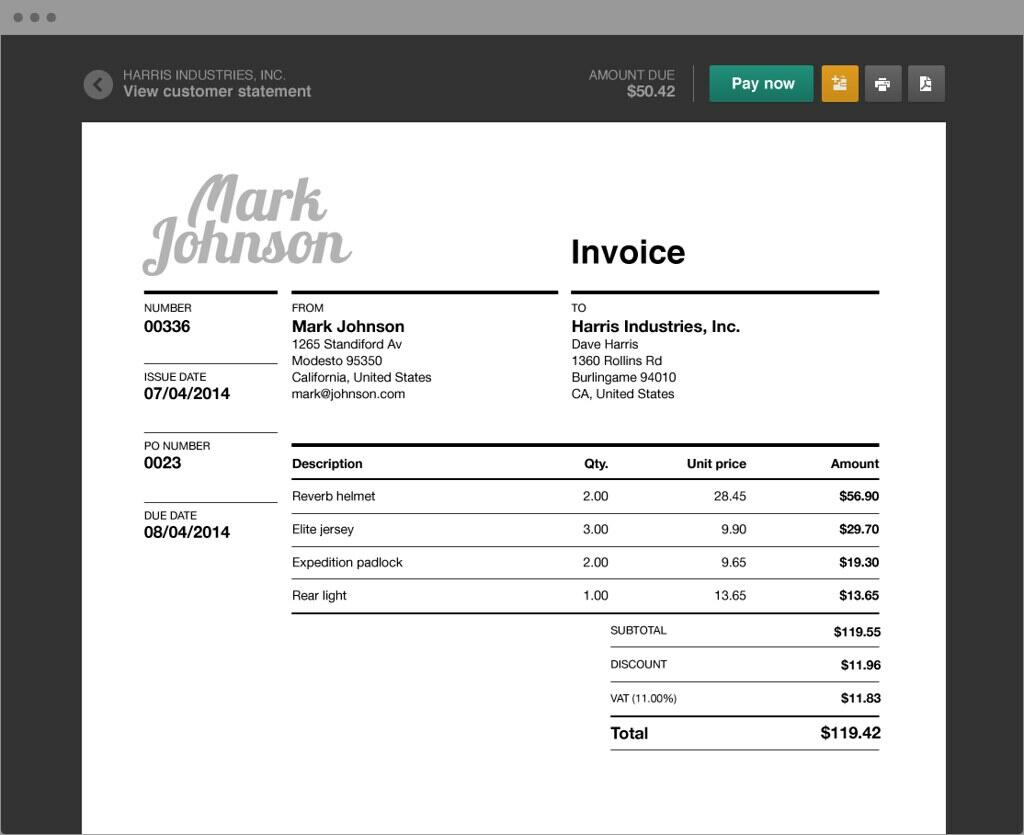
The next important step after recording the expense is making purchase invoice payment. In some companies, approval is required before issuing a payment voucher to the vendor. Monitoring upcoming payments through a creditors ledger helps businesses avoid late fees by ensuring timely payments to suppliers and creditors. This proactive approach minimizes financial risks and supports cost-saving efforts. The main goal of accounts payable is to process payments accurately and on time while maintaining strong supplier relationships, avoiding late fees, and optimizing cash flow.

What Is an Accounts Payable Ledger?
Trade payables are a subset of accounts payable, limited to inventory-related purchases. While many companies use the terms interchangeably, AP is broader and includes all short-term obligations. AP also covers travel expenses, internal reimbursements, and vendor payments, all of which require strong cost controls and fraud prevention. To safeguard against errors and duplicate or fraudulent invoices, companies rely on internal controls, which are best reinforced through automation (see below).